
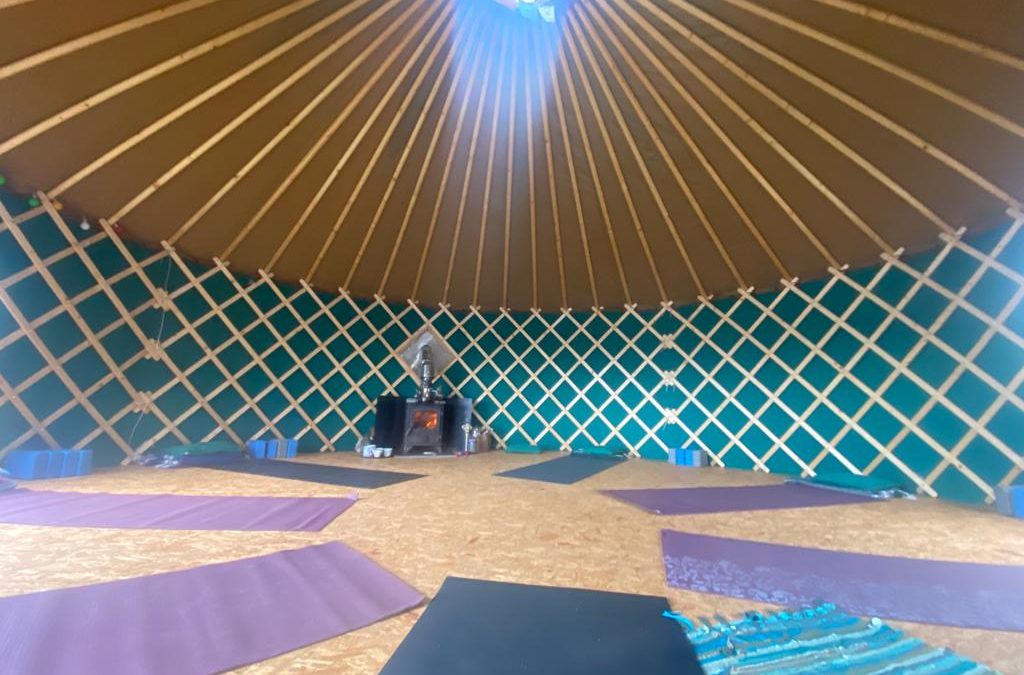
Family homes don’t stay the right size. The two-bedroom you bought in your twenties becomes a stretch when the kids arrive. The four-bedroom that fitted everyone perfectly becomes claustrophobic when the teenagers want their own space. The traditional answer was an extension — six months of dust, a planning conversation, a build crew in your house. A growing number of families are choosing a different answer: a handcrafted yurt at the bottom of the garden.
The thing that keeps coming up is the same: a yurt gives you genuine extra space without the upheaval of a building project, and it does it beautifully.
What families are actually using them for
1. Home offices that let the family breathe
A 4m or 5m yurt at the bottom of the garden gives you a proper, separated workspace — 30 seconds from the back door, completely soundproof from the kitchen, beautiful enough that you actually want to be in it.
Our home-office yurt customers consistently tell us the same thing: their working day got better the moment they stopped working from the spare room. Real natural light, warm acoustics, a wood stove for winter mornings, and a clear “I’m working now” signal for the rest of the family.
2. Exercise and movement spaces
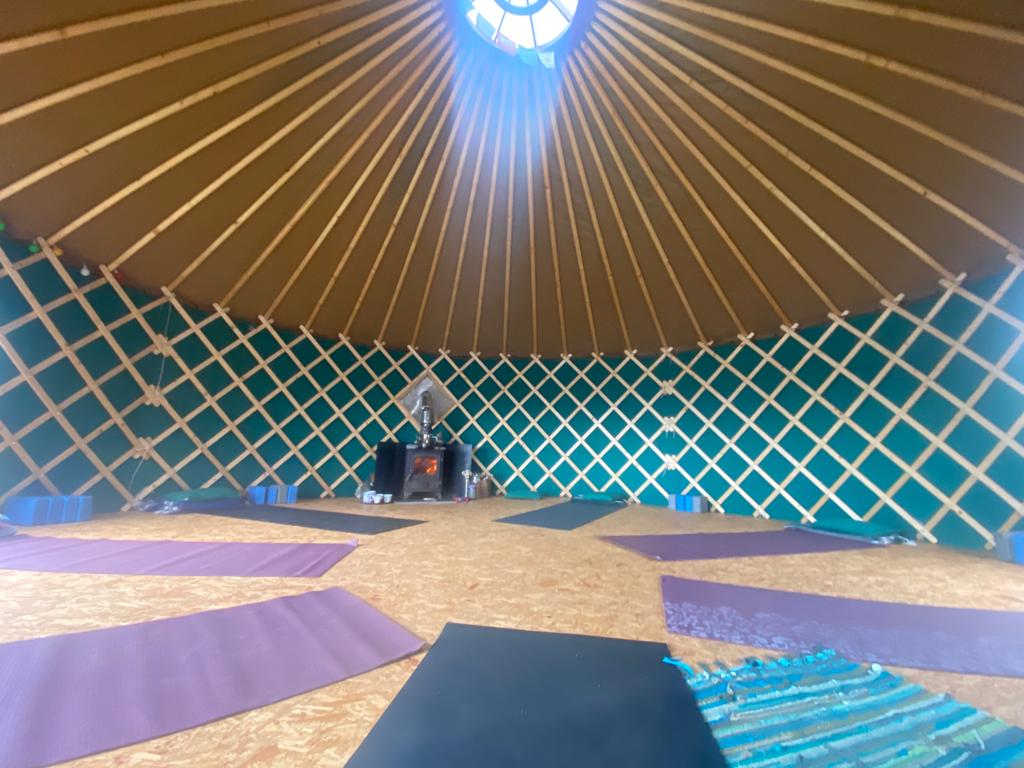
Yoga, pilates, weights, dance practice, kids’ gymnastics — the round floor and tall central crown of a yurt is genuinely ideal for movement work. A 6m or 7m yurt fits a yoga class of 8–14 mats or a full strength setup with squat rack and bench.
Families with serious movement habits can build a yurt that doubles as their primary practice space and a small studio for teaching evening classes. It pays for itself faster than people expect.
3. Art rooms and creative studios
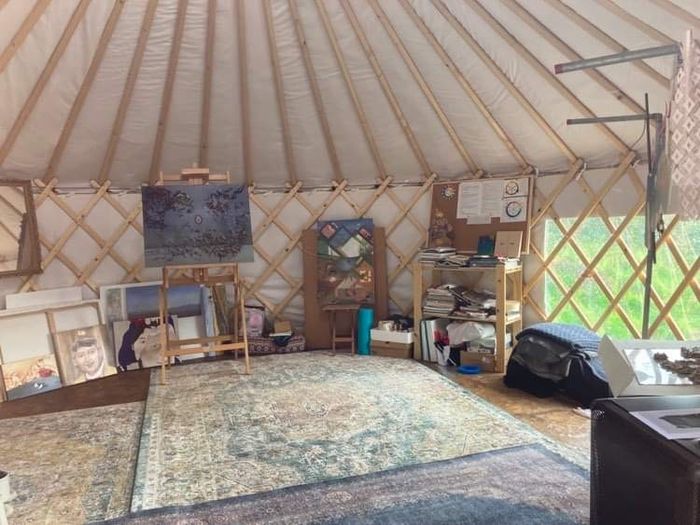
For painters, ceramicists, sculptors, textile artists and crafters who’ve had their work spread across the kitchen table for years, a dedicated art yurt is transformative. The natural light through the canvas is gorgeous all day. The space is yours. The mess stops at the yurt door.
4. Teenager hangout spaces
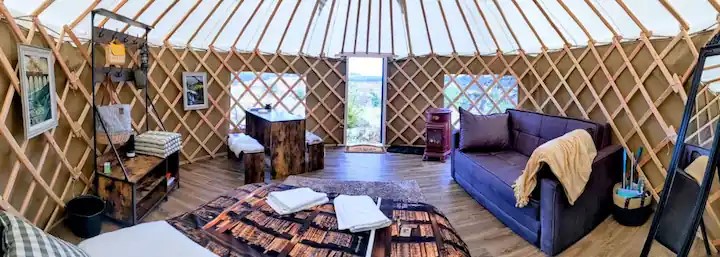
The one that surprises people. Teenagers desperately want somewhere that isn’t the family living room, isn’t their bedroom, isn’t a friend’s house. A yurt at the bottom of the garden is exactly that — independent enough to feel theirs, close enough that you know they’re fine.
Music practice, video calls with friends, gaming setups, study sessions, sleepovers without taking over the living room — the families we’ve built teen-space yurts for tell us it’s the single best housing decision they’ve ever made. The kids actually use it, the family living room calms down, and there’s a quiet space everyone can borrow when the teen is at school.
5. Guest rooms that don’t take over the house
For families who regularly host — grandparents staying for a fortnight, university kids back for the holidays, friends down for a weekend — a guest yurt is a kinder solution than rotating people through the spare room. Real privacy for the guest, no disruption to family routine, and a beautiful first impression as visitors arrive.
What size do you need?
For most family-space uses, our 5m or 6m yurts are the sweet spot. They fit comfortably in a typical Irish back garden without dominating it, work cleanly within most counties’ exempt development rules and are big enough for whatever you want to do inside.
- 4 metre yurt (12.5 m²): single-purpose office, studio, treatment room or small teen space.
- 5 metre yurt (19.6 m²): the flexible all-rounder. Office + meeting area, art studio + storage, teen den + study desk.
- 6 metre yurt (28.3 m²): for movement work, multi-use family space, or full art/music studios.
The planning angle
Most garden yurts for family use fall comfortably within Irish exempt development rules — structures under 25 square metres behind the rear building line of your house, used as ancillary space rather than separate living accommodation. We have a fuller post on the new planning rules if you want the detail.
The investment angle
A family-space yurt is also one of the smarter housing investments out there. A 5m fully-finished garden yurt typically lands in the €13,000–€17,000 range — well under the cost of a built single-room extension, and recoverable if you move (you can take the yurt with you).
Several mortgage advisers we’ve worked with also flag yurts positively— usable garden space tends to support the valuation, especially since the post-pandemic shift in how people value home workspace.
A note from twenty years of building these
What we hear back from family-yurt customers six months after the install is almost always the same: the family relaxed. The arguments about who’s working where, who needs the kitchen, where the kids can have their friends, where mum can do her yoga — they quietly went away. Not because the family changed, but because there was suddenly enough space for everyone to be themselves.
That’s the unlock. A yurt isn’t just extra square metres. It’s a beautiful, dedicated, separated space for whatever your family needs more of right now — and the flexibility to be something else entirely two years from now.
Thinking about a yurt for your site? Build a transparent quote in about a minute and we’ll come back within one business day.